

8 Warning Signs that You Need a Colon Cleanse

8 Warning Signs that You Need a Colon Cleanse
Stress—it’s something we all experience at some point, but when it becomes chronic, it can take a serious toll on our physical, mental, and emotional health. Whether you’re dealing with work pressures, health issues, or the everyday hustle, managing stress in a healthy, sustainable way is crucial. The good news? You don’t have to rely on medication to reduce stress and regain your sense of balance. There are natural, science-backed strategies that can help you handle stress and improve your overall well-being.
1. Start with Healthy Eating: Fuel Your Body to Fight Stress
What you eat plays a direct role in how your body handles stress. A poor diet can actually increase stress levels, making it harder for your body to cope with daily challenges. So, let’s start with nourishing foods that support stress management.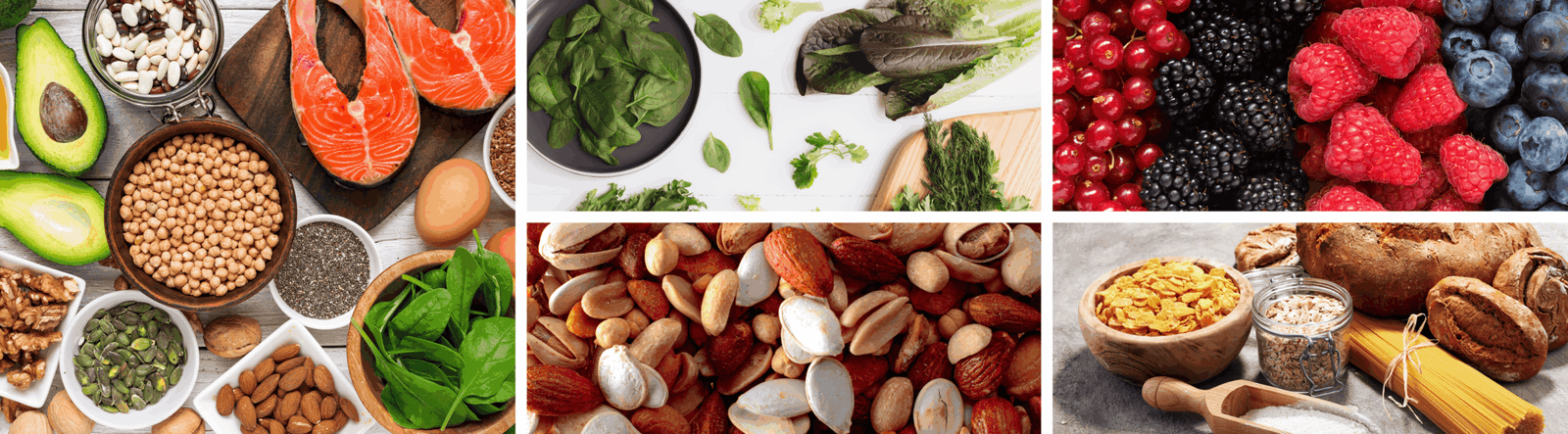
Foods to Include in Your Diet:
- Leafy Greens: Full of magnesium, which helps to relax muscles and calm the nervous system.
- Healthy Fats: Omega-3 rich foods like avocados, nuts, and fish that reduce inflammation and support brain health.
- Whole Grains: Stabilise blood sugar levels and prevent those annoying energy dips that can spike stress.
- Berries: Packed with antioxidants, they help to fight oxidative stress and protect the body from the damaging effects of stress.
Foods to Avoid:
- Processed Foods: High in sugar and unhealthy fats, which can increase inflammation and contribute to mood swings.
- Excessive Caffeine: While it may give you a temporary boost, too much caffeine can lead to jitteriness, increased anxiety, and disrupted sleep.
2. Embrace Natural Supplements to Support Stress Relief
Sometimes, even with a healthy diet, we need a little extra help to manage stress. This is where natural supplements come in—these can support your body’s ability to cope with stress and enhance relaxation. Here are some top choices that are proven to work:
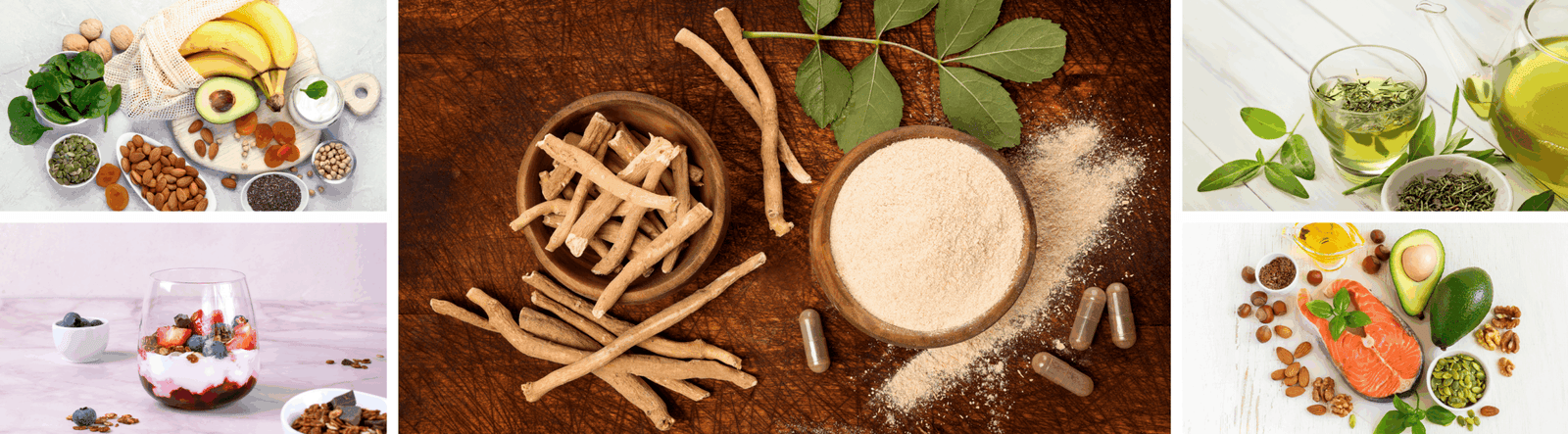
Top Natural Supplements to Manage Stress:
- Ashwagandha: An adaptogen that lowers cortisol (the stress hormone) and enhances resilience to stress.
- Magnesium: Supports muscle relaxation, better sleep, and helps combat the physical symptoms of stress.
- Omega-3 Fatty Acids: Help reduce inflammation, regulate mood, and support brain function, which can be negatively impacted by chronic stress.
- L-Theanine: A soothing amino acid found in green tea that promotes relaxation without causing drowsiness.
- Probiotics: Gut health and stress are linked—keeping your gut healthy can improve your body’s ability to manage stress
3. Lifestyle Changes: Small Habits with Big Impact
While healthy eating and supplements are important, lifestyle changes also play a key role in managing stress. These simple adjustments can have a big impact on how your body responds to stress.

Effective Lifestyle Habits to Manage Stress:
- Exercise Regularly: Physical activity is one of the best ways to release endorphins (the body’s natural mood boosters). Even a daily 20-minute walk can help clear your mind and reduce stress.
- Practice Mindfulness and Meditation: Techniques like deep breathing, yoga, or meditation activate the parasympathetic nervous system, calming the body and reducing stress.
- Prioritise Sleep: Sleep deprivation worsens stress, so aim for 7-9 hours of good-quality sleep. Establish a calming bedtime routine and keep your sleep environment comfortable and dark.
- Time Management: Organise your tasks, break them into manageable steps, and learn to say no when necessary. This reduces the feeling of being overwhelmed.
- Digital Detox: Limit screen time, especially before bed, to reduce the constant influx of information that can contribute to stress.
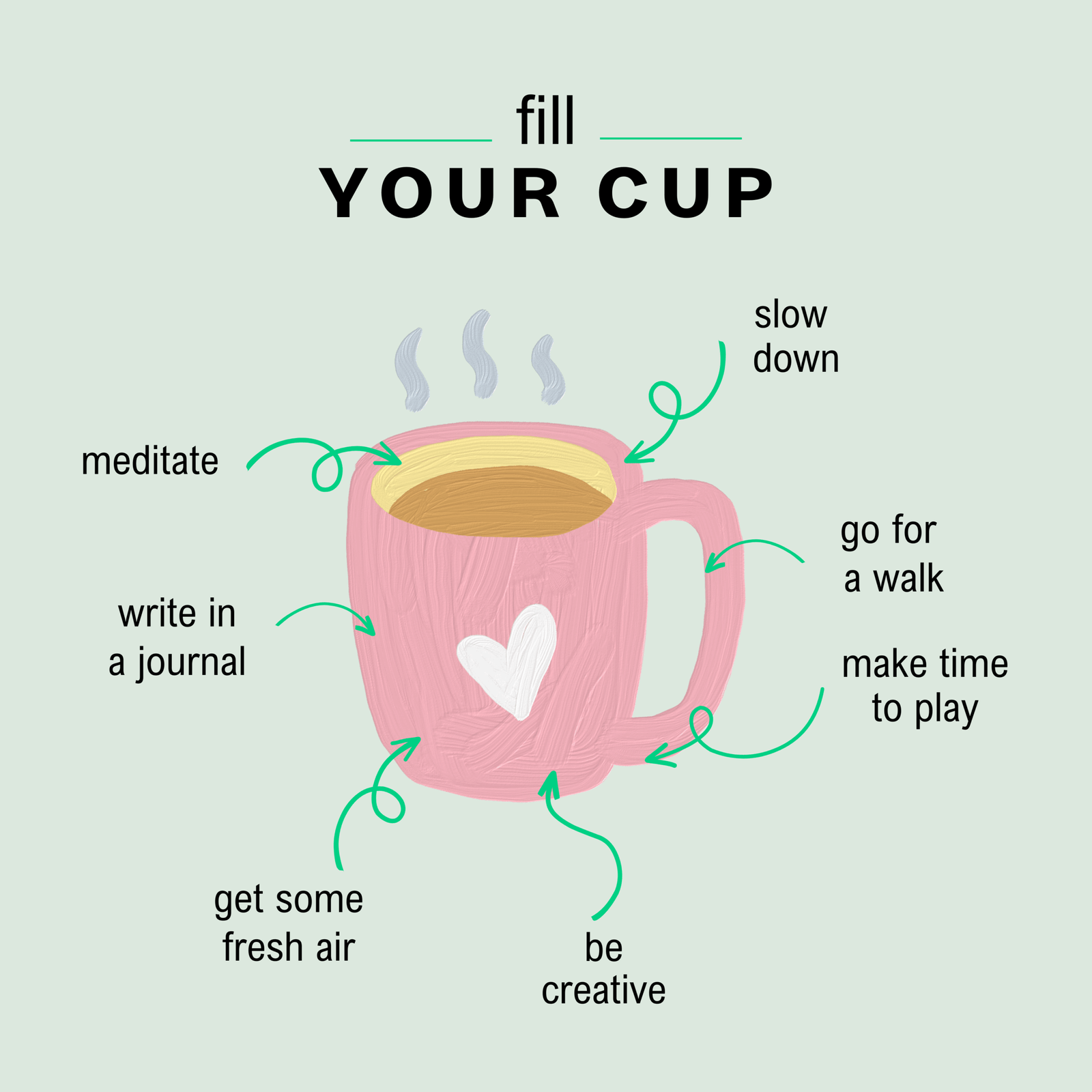
4. The 4 X’s Technique to Better Handle Stress
Here’s a science-backed approach to help you manage stress more effectively: the 4 X’s Technique. This simple method combines exercise, awareness, relaxation, and enjoyable activities to help you manage stress in a balanced way.
- eXercise: Engage in regular physical activity to reduce stress hormones and improve mood. Aim for activities you enjoy to make it sustainable.
- eXamine: Identify your stress triggers. Understanding what causes your stress allows you to address and reduce these stressors more effectively.
- eXhale: Practice deep breathing exercises or meditation to activate your body’s relaxation response.
- eXplore: Engage in activities that bring you joy, whether it’s reading, walking in nature, or picking up a hobby. Doing things that make you happy can be a powerful antidote to stress.
5. How Stress Affects Your Hormonal and Menstrual Health
Stress doesn’t just mess with your mood—it can also throw your hormonal balance out of whack. Chronic stress affects key hormones that regulate your reproductive health, leading to issues like irregular periods, painful cycles, and even fertility challenges.
Common Stress-Induced Health Issues:
- Hormonal Imbalances: Stress leads to increased cortisol levels, which can mess with your estrogen and progesterone, resulting in mood swings, bloating, or irregular periods.
- Menstrual Health: Stress can exacerbate period problems, causing heavier or more painful periods, and contributing to conditions like PMS and PCOS.
- Pre-Menopausal Symptoms: If you’re nearing menopause, stress can make hot flashes, night sweats, and sleep disturbances worse.
Managing stress is crucial for long-term reproductive health. By incorporating the strategies listed above, you can restore hormonal balance, reduce menstrual pain, and promote overall vitality.
Stress is inevitable, but the good news is that you can manage it effectively without relying on medication. By making simple yet powerful changes to your diet, supplements, and lifestyle, you can reduce stress, improve your health, and regain control over your life. You don’t have to wait for stress to take over—start today and feel the difference!